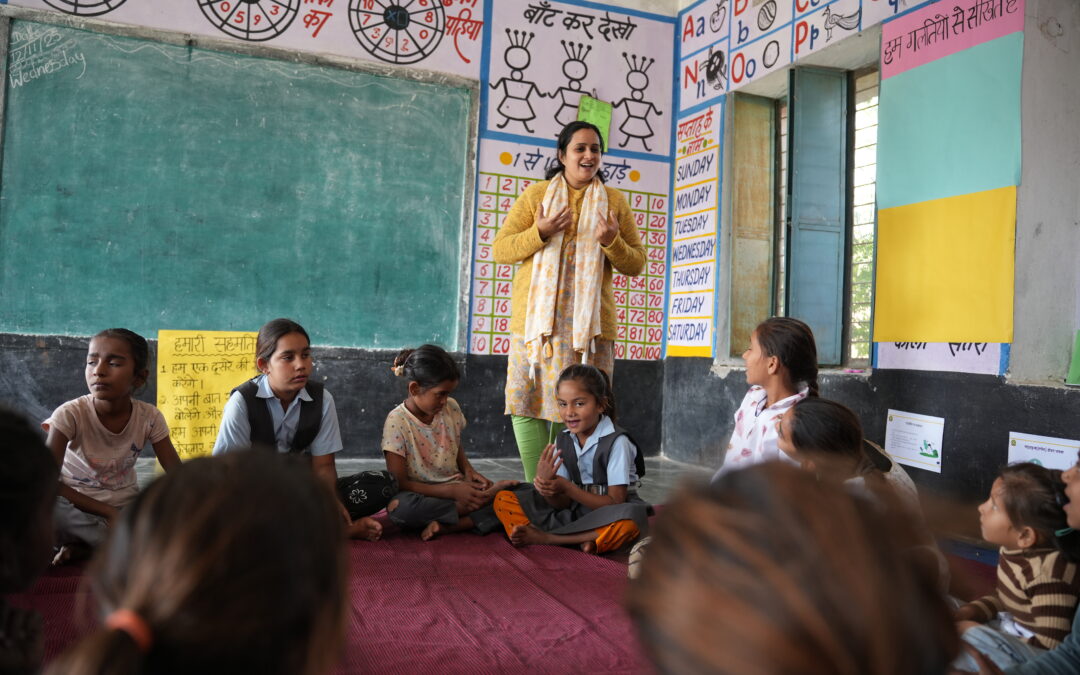
Mental health for every child's flourishing
Support our workStarting in the classroom, with teachers who model what they teach
At Brio, we believe in the power of mental health skills to help children build lives of agency, joy, and purpose, even in tough circumstances. We work with teachers and public education leaders to make this possible for every child– equipping teachers first, so they live wellbeing before they teach it. Because children can’t flourish when their teachers are running on empty.
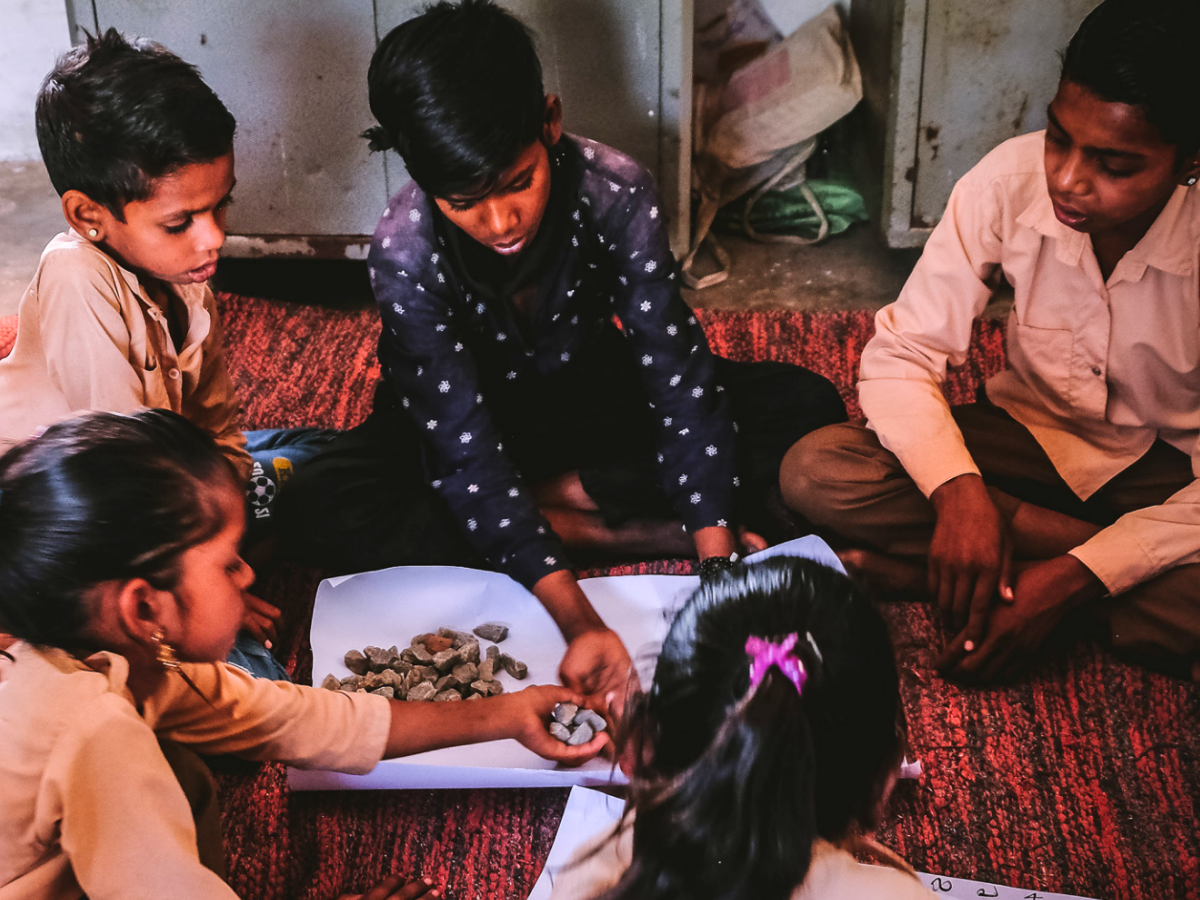
Every child is created to flourish
But poor mental health affects at least 1 in 7 children around the world, reducing their sense of agency and possibility in everyday life. In communities facing poverty and injustice, the weight is heavier. And because life brings about challenges that too many of us don’t have the skills or support to navigate, 1 in 2 people will face poor mental health in their lifetime.
But mental health can be strengthened proactively. And when it is, children don’t just survive growing up; they get the tools to navigate life with openness, imagination, and courage.
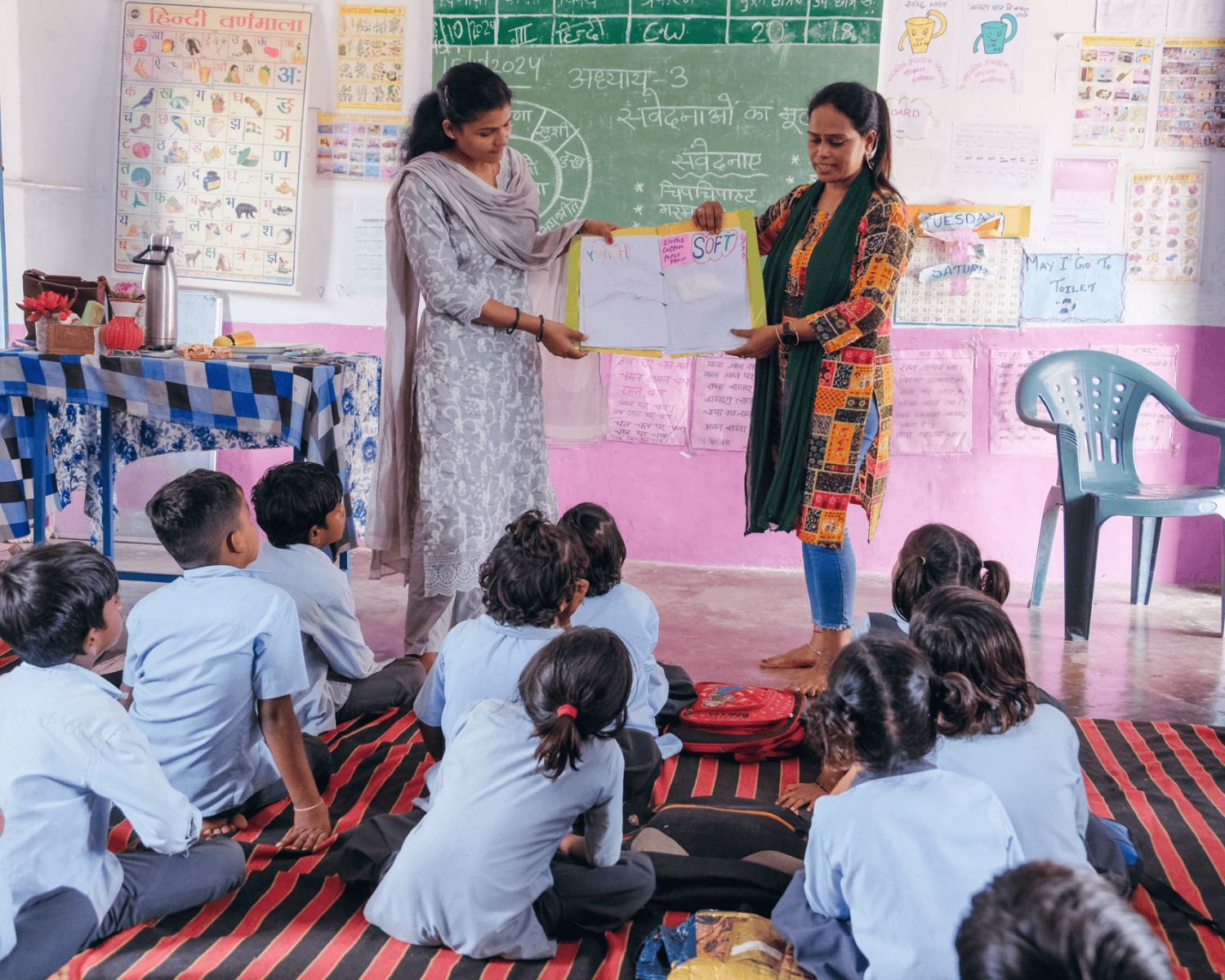
Why start with teachers’ wellbeing?
From around age six, children spend much of their week in classrooms, often with a handful of teachers who can influence whether they feel safe and seen, and whether wellbeing is modelled, not just taught in theory. Teachers are powerful role models and daily responders to children’s feelings and behaviors. But they’re often stressed and burned out, with limited systemic support.
This can change, and it must. When teachers build mental health skills within themselves, their classrooms and communities can transform: children feel it, learn from it, and carry it forward.
Children’s wellbeing in school begins with a teacher who embodies it
Teaching children to navigate their inner worlds cannot be just another burden placed on a depleted teacher. You can’t teach what you don’t know, and learning mental health skills is too important to be done poorly. At Brio, we’re ensuring teachers experience mental health skills and their benefits first— so that what they bring to their students is practised, modelled, and taught with confidence.
What we do
We work with local partners and government education systems to help teachers build psychological flexibility, strengthen their own wellbeing, and bring practical mental health skills into everyday classroom practice. As teachers change how they respond, relate, and teach, children experience safer classroom environments and learn age-appropriate skills to navigate the challenges of daily life.
Toward 4 million children and teachers by 2029. See our impact so far.
When teachers develop their own wellbeing, they show up with full presence, compassion and purpose. As they implement new classroom practices, the environment transforms— and children start to grow in awareness, express their ideas, attend school more often, and help their peers more. And the ripple extends far beyond the school walls.

teachers and leaders reached globally
%
teachers started their own wellbeing practices after in-person training

%
teachers improved their WHO-5 wellbeing scores in our Hausla program
effect size d = 0.49

%
children improved their wellbeing (WHO-5C) after their teacher was trained
effect size d = 0.30
%
schools saw average child wellbeing improve
n = 32

%
teacher-reported increase in school attendance


Acumen

Yale School of Management

Yale University School of Medicine

Stanford Social Innovation Review


King Philanthropies

Flourishing Minds Fund

Praxis

Dovetail
Latest insights & inspiration