Poor mental health is holding children back
Every child is created to flourish. But not every child grows up in conditions that make that possible. For those facing poverty, violence, or exclusion, the toll on their mental health runs deep. It affects how they learn, how they connect, and how they respond to daily challenges. In India alone, an estimated 1 in 4 children in school struggle with their mental health each year, and suicide is the second leading cause of death among young people.
1 in 7
youth age 10-19 globally will struggle with a mental health condition
14.5 years old
peak onset of youth mental health conditions globally
60%
of the 1,300 children we surveyed in Rajasthan struggle to act on core life skills
90%
of the world’s 1.2 billion adolescents live in LMICs
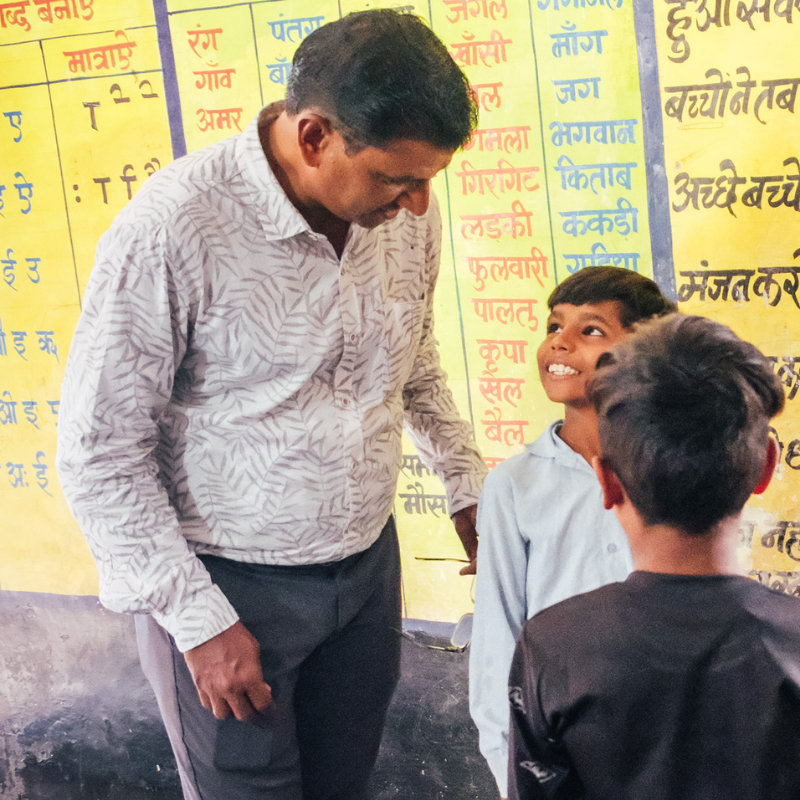
Teachers are critical, but they’re under-supported
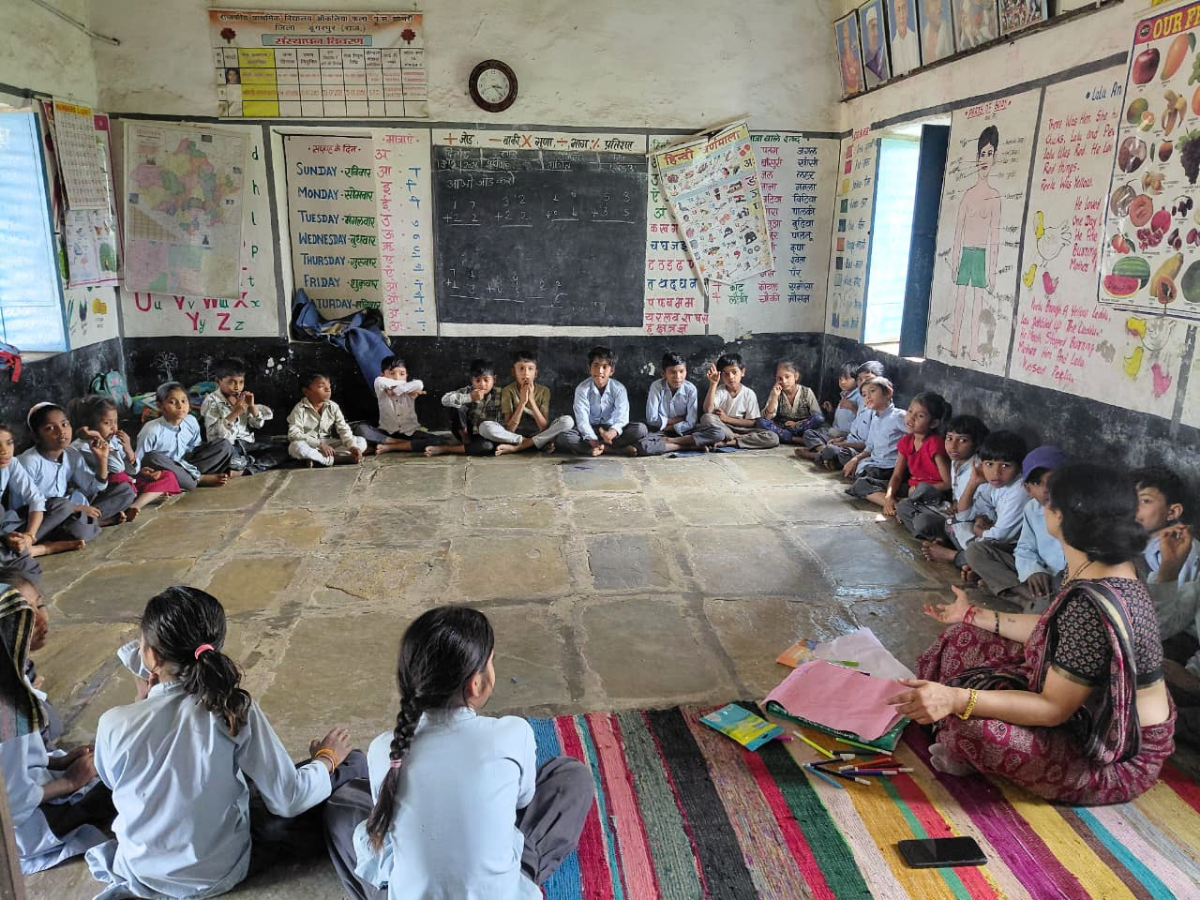
Schools are one of the few systems that reach children consistently from an early age – and teachers are at the heart of that. The way they show up shapes the environment of every classroom: whether children feel safe or unseen, confident or withdrawn.
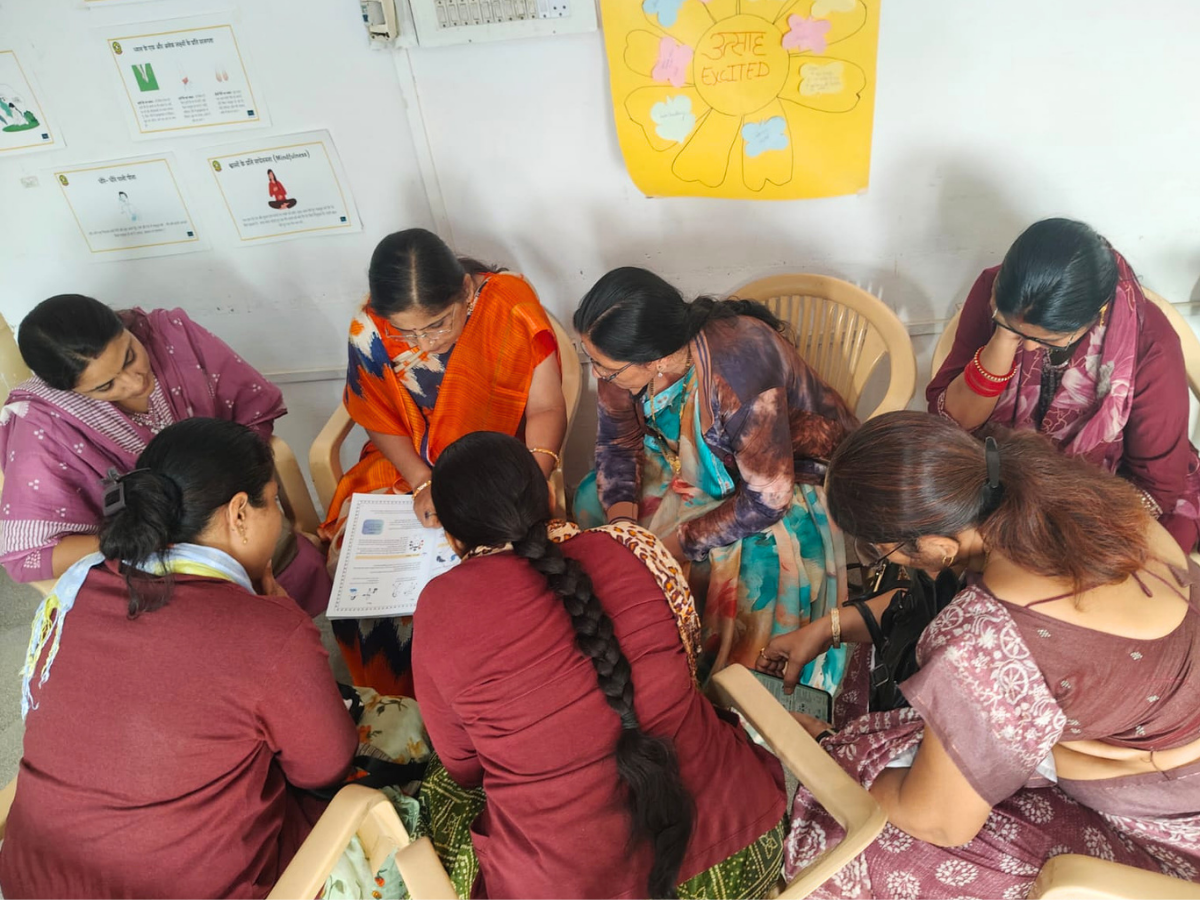
Yet in India, up to 78% of teachers are burned out. And when teachers are overwhelmed, classrooms become more reactive and children feel it. Supporting teacher wellbeing is thus one of the most direct and practical ways to improve children’s mental health.
OUR VISION
Mental health for every child’s flourishing
At Brio, we’re building a world where every child has the mental health skills to learn, grow, and lead a meaningful life— no matter their circumstances.
OUR MISSION
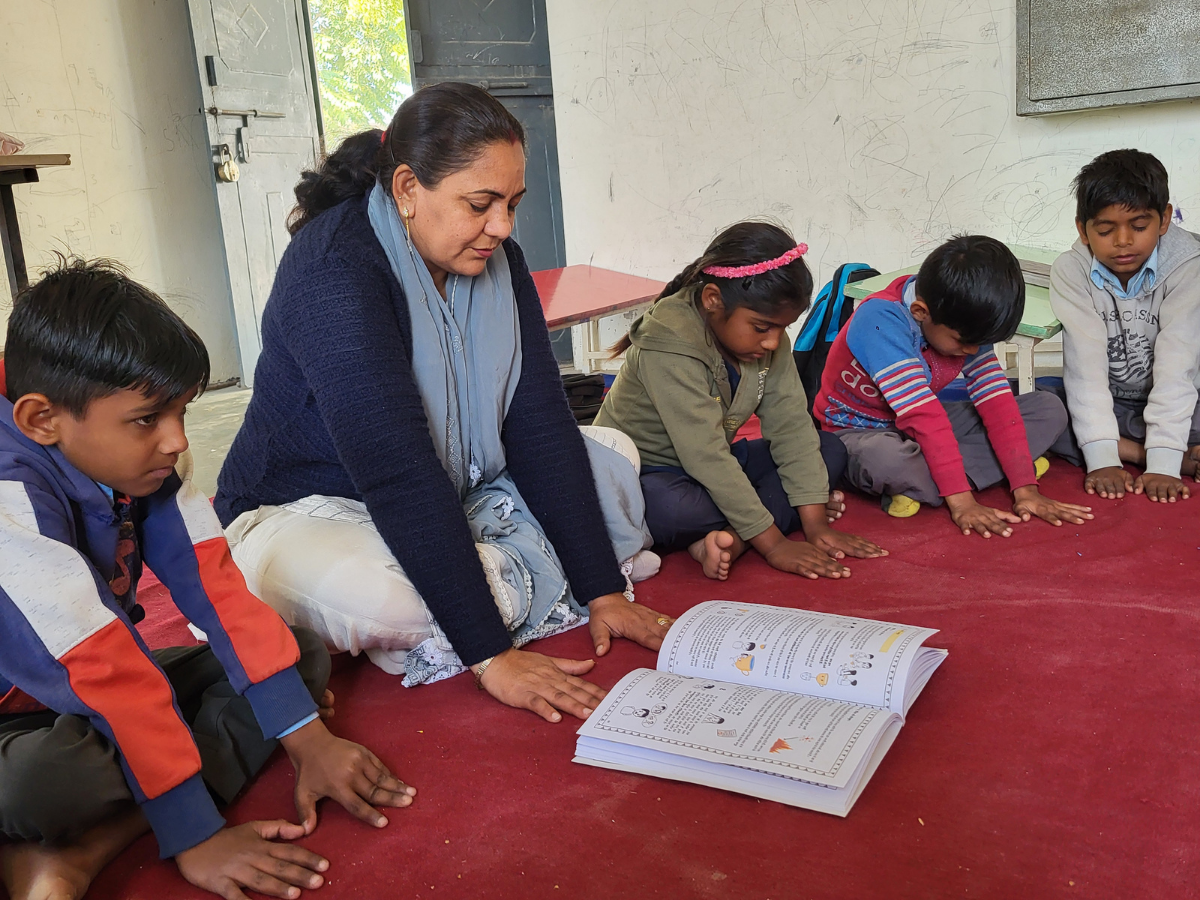
Give every child foundational mental health skills
We work to improve children’s mental health and development by equipping teachers with the wellbeing skills, classroom practices, and support they need to help every child flourish.
We use an evidence-based framework called Acceptance & Commitment Training, which helps prevent mental health conditions and builds psychological flexibility, also at the community level.
What changes when children build foundational mental health skills?